
Earth Day for ACOA: Nature's Music for Adult Children of Alcoholics

"We never know what to expect, or who we can count on from day to day." This was a refrain I heard often in meetings designed to support families affected by alcoholism. Children raised in families plagued by addiction, especially alcohol addiction and the co-dependency that enables it, often grow into adulthood with marked negative effects for overall health and well-being, vocational aspirations, healthy relationships, and community participation. Adult children of alcoholics (ACOA) often find themselves steeped in patterns of isolation, self-loathing and self-neglect, fearing abandonment and prepping for disaster. Breaking cycles of anxiety, despair, cynicism, massive defensiveness, hyper-vigilance, and the need for approval are daunting prospects for ACOAers. Here are some common marks of trauma from childhood homes and families struggling with alcohol addiction:
We became isolated, afraid of people and authority figures.
We became approval seekers and lost our identity in the process.
We are frightened by angry people and any personal criticism.
We became alcoholics, married them, or both.
We find another compulsive personality or behavior such as workaholism to fulfill our abandonment needs.
We live life from the viewpoint of victims, and we are attracted by that weakness in our love and friendship relationships.
We have an overdeveloped sense of responsibility. It is easier for us to be concerned with others rather than ourselves; this enables us not to look too closely at our own faults.
We get guilt feelings when we stand up for ourselves instead of giving in to others.
We became addicted to excitement. We must be constantly moving, or we feel restless and anxious. We work ourselves to exhaustion and collapse rather than rest.
We confuse love and pity, and tend to “love” people we can pity and “rescue.”
We have “stuffed” our feelings from our traumatic childhoods and have lost the ability to feel or express our feelings because it hurts so much to experience or relive them (denial).
We judge ourselves harshly and have a very low sense of self-esteem.
We are dependent personalities who are terrified of abandonment and will do anything to hold on to a relationship in order not to experience painful abandonment feelings, which we received from living with people who were never there emotionally for us. (adapted from ACOA source)

Childhood trauma associated with addiction works its way into every crevice of life when we're adults. It can overwhelm us. Professionally and personally, I have experienced its ill effects for over half a century among many high-functioning adults. It leaves fissures. It continues to cause trauma in subsequent generations. It tells its story in pernicious, sometimes unconscious world-views and patterns of behavior that affect not only those individuals afflicted by childhood trauma, but everyone we touch as adults. It's like water surging, cascading through an outcropping of stone. Relentless.

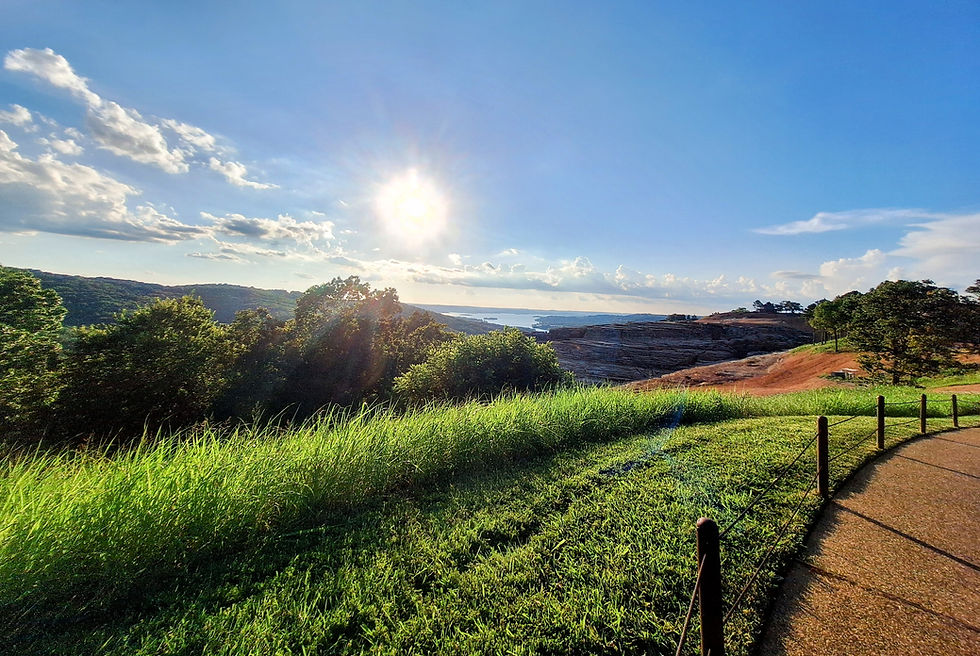
Fortunately, Nature has astounding healing properties for all of us. What better way to celebrate Earth Day than to tap into Nature's healing elixir?
Nature immersion can help reset our central nervous system, lowering cortisol, and reducing activity in the prefrontal cortex, which is often overactive in ACOAers, reported by feelings of anxiety, or a need for constant stimulus. "I can't rest or relax," is a common refrain I hear when working with ACOAers who are often expecting a high level of stress or drama to feel "normal."
Nature therapy is great for mood regulation, offering relief from stress and anxiety. Because it helps lower BP, heart rate and respiration, it is an excellent antidote to feelings of being "poised for danger," or expecting the worst at every turn. It can bring feelings of calm, equanimity, and connection, restoring balance to the body's coping mechanisms, fostering resilience, creativity, and hope.

Three Ways Earth's Elixir Can Heal Us:
A Nature-immersive experience like Shinrin-Yoku, a full-sensory walk among the trees, can help cultivate bonding with our natural world, enhancing feelings of safety and well-being. We begin to feel balanced, trusting, focused with calm presence, and experience "attention restoration." Mindful, sensory-saturated "grounding" experiences can re-root us in our breath, and our fully embodied awareness offers healing for body and soul.
Meditation gardens like healing herb gardens for the avid chef, pollinator gardens for lovers of floaters and buzzers, and memorial gardens for those walking with grief are excellent opportunities for sensory immersion, earthing, and connecting with our interior sanctuary. Moonlight gardens shimmering with soft light and shadow-play, water features, and natural soundscape are places for contemplation and rest at the conclusion of a frenetic day. Kids' veggie gardens bring delight for the wee ones and the young at heart, who learn not only to plant, water, and weed, but listen, play, taste, and savor.
Soulscapes, or Nature-inspired spaces that stoke the soul, are especially suited to our special experience and love of Nature. If we love forest sounds and exquisite birdsong, or if we love the sound of living water or gentle rainfall, sand, stone, or lush flowering fruit trees, Soulscapes help inspire awe and gratitude every single day.

I leave you with the song lyrics from my favorite Richard Rogers and Oscar Hammerstein musical that holds a perennial place in my heart whenever Spring comes around. It is a perfect image for Nature's ability to enfold us when we most need healing, connection, hope, and inspiration: Maria von Trapp twirling in the sun-soaked mountain-scape that soothed her lonely soul.
"The hills are alive with the sound of music,
with songs they have sung for a thousand years
The hills fill my heart with the sound of music
My heart wants to sing every song it hears
My heart wants to beat like the wings of the birds that rise
from the lake to the trees
My heart wants to sigh like a chime that flies
from a church on a breeze
To laugh like a brook when it trips and falls
over stones on its way
To sing through the night
Like a lark who is learning to pray
I go to the hills when my heart is lonely
I know I will hear what I've heard before
My heart will be blessed with the sound of music
and I'll sing once more" (Rogers & Hammerstein, The Sound of Music)


Comments